The Billion-Dollar Meme: What the Kylian Mbappé Crisis Reveals About Global Sports and Chinese State Capitalism
It takes a staggering amount of geopolitical friction to derail the commercial juggernaut of modern football. For decades, the unwritten rule of global sports marketing has been beautifully simple: play well, smile for the cameras, and never, under any circumstances, offend a major superpower. But as the digital age collides with hyper-nationalist market policies, the rulebook has been shredded.
We now live in an era where a throwaway comment about a deepfake meme can threaten billions of dollars in broadcasting rights, sever lucrative corporate partnerships overnight, and force some of the world’s most prestigious sporting institutions to beg for forgiveness.
The case of Kylian Mbappé’s inadvertent collision with the Chinese state is not just a cautionary tale for superstar athletes. It is a definitive blueprint of how market access is weaponised in the 21st century and a stark warning about the rapidly shrinking window of acceptable free expression for global icons.
A Harmless Joke Meets a Geopolitical Red Line
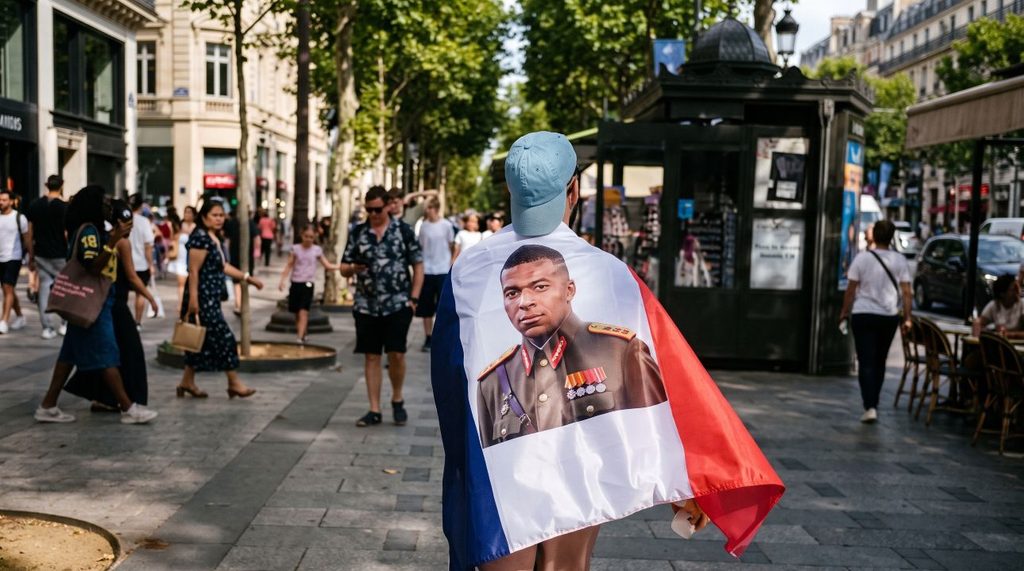
The spark that ignited this commercial inferno was profoundly absurd. During a French television programme, Mbappé was asked about online images portraying him as a dictator. He casually referred to a circulating video featuring someone he described as a “Chinese dictator", with his own face digitally superimposed over the original footage.
Mbappé did not explicitly name Mao Zedong, though the accompanying imagery clearly depicted the former Chinese leader.
The distinction here is critical. The French captain was not launching a calculated political intervention. He was not criticising Beijing’s domestic policies, human rights record, or foreign relations. He was commenting on internet caricature—the kind of low-stakes digital ephemera that athletes navigate every single day.
But once that clip was translated, clipped, and fed into the algorithm of Chinese social media, the context evaporated. What remained was a perceived slight against national dignity, and the consequences expanded far beyond a localised argument among football supporters. It triggered a systemic, coordinated commercial purge.
The Corporate Exodus
The reaction from domestic Chinese entities was immediate and ruthless. At least three major Chinese corporations—beverage producer Dongfang, dairy group Mengniu, and cheese maker Milkground, publicly terminated their partnerships with Mbappé.
Simultaneously, the digital erasure began. Mbappé’s accounts on Xiaohongshu (RedNote) and Weibo were abruptly muted. RedNote initiated a platform-wide review, actively scrubbing related material to ensure compliance with the shifting atmospheric pressure of state censors.
Then, the panic spread to the West. International luxury and athletic brands caught in the crossfire—including Dior, Hublot, and the rapidly growing Swiss sportswear brand On—quietly but swiftly removed Mbappé-related promotional content from Weibo.
Removing a social media post and legally terminating a multi-million-dollar endorsement contract are entirely different corporate actions. But the immediate scrubbing of content demonstrates the sheer velocity of the chilling effect. For Western brands heavily leveraged in the Chinese consumer market, the instinct is not to defend their star athlete but to make him invisible until the storm passes.
The Contagion Effect: Plunging an Entire League
If the fallout had been contained to Mbappé’s personal ledger, it would merely be a story of lost individual revenue. But the mechanics of Chinese state capitalism ensure that punishment travels. The strategy is designed for contagion.
China Media Group, the parent organisation of the state broadcaster CCTV, stepped in and suspended La Liga broadcasts involving Mbappé. They pulled advertisements featuring his endorsements. Chinese video game publishers followed suit, implementing measures to restrict his digital likeness, ultimate team cards, and promotional assets.
At this exact moment, Mbappé’s problem became a systemic crisis for European football.
A suspended match broadcast does not just punish the offending player. It darkens the screens for 21 other players on the pitch. It punishes the opposing club, which loses crucial market exposure. It punishes stadium sponsors, kit manufacturers, and regional partners who paid a premium for access to Chinese living rooms but had absolutely nothing to do with a French television interview.
This is the true leverage of Beijing’s playbook: by creating catastrophic collateral damage, the state forces the sporting ecosystem to police itself.
The Anatomy of a Corporate Apology
Faced with an existential threat to its bottom line, the football establishment fell into line. Mbappé issued a public apology, characterising his comments as "ill-judged". He explicitly stated his respect for the Chinese people and their history, emphasising that causing offence was never his intent.
La Liga apologised. Real Madrid, recognising the threat to its own immense brand equity in Asia, issued a formal statement expressing deep regret, throwing its full weight behind its player’s apology while reiterating its profound respect for China’s millions of supporters.
But in the modern geopolitical arena, saying sorry is rarely enough. It is merely the opening bid in a complex negotiation for redemption.
Reports indicated that an initial response from Madrid attempted to thread a difficult needle: assuring China of Mbappé’s good intentions while gently defending a player’s fundamental right to express personal views. A China Media Group spokesperson flatly rejected this premise. The broadcaster made it abundantly clear that the remarks had crossed a non-negotiable red line, invalidating any defence rooted in Western concepts of free speech and deeply implicating the club itself.
Real Madrid was forced to send a subsequent, more formal apology letter through La Liga directly to China Media Group. The ultimate power dynamic was laid bare: a historic European sporting institution was reduced to submitting paperwork, hoping an unseen bureaucrat would eventually turn the broadcasting feed back on.
The Shrinking Window of Acceptable Speech
None of this operates in a vacuum. The obvious historical precedent is the NBA’s bruising confrontation with China in 2019, when Houston Rockets executive Daryl Morey tweeted a brief message of support for Hong Kong protesters. That single tweet cost the NBA hundreds of millions of dollars in lost sponsorships, suspended broadcasts, and severed partnerships.
The Mbappé incident proves that the trigger for such a crisis is getting lighter. Morey made a definitive political statement about a highly sensitive geopolitical issue. Mbappé laughed at a meme. The punishment for both was virtually identical.
As veteran China analyst Bill Bishop has noted, this reality paints a deliberately bleak picture for the future of global sports marketing. The lesson for athletes attempting to protect Chinese revenue streams for themselves, their teammates, and their sponsors is chillingly simple: stick to harmless, pre-approved declarations of affection for Chinese food, Chinese fans, and the beauty of Chinese cities.
This is not a matter of athletes needing better media training. It is the reality of a narrowing, highly policed corridor of commercially safe expression. For brands like On—which has publicly identified China as a cornerstone of its future global growth—these ambitions now sit precariously atop geopolitical fault lines they cannot control and barely understand.
The Cost of Weaponised Access
There were, eventually, signs of a thaw. Beijing’s Foreign Ministry struck a noticeably softer tone, acknowledging that China took the apologies seriously. This diplomatic signalling left room for de-escalation, even if it provided no clear timetable for when normal commercial relations would resume.
It is crucial to recognise that the Chinese state is not a monolith. The aggressive demands of the state broadcaster and the measured language of the foreign ministry often differ. But for multinational businesses caught in the crossfire, that internal nuance offers no comfort. When broadcast access and vital sponsorship revenues hang in the balance, the unpredictability is the point. What exactly constitutes an acceptable apology? Who actually decides? When does the financial bleeding stop?
Yet, there is a potential long-term cost for Beijing in this aggressive posturing. A response designed to aggressively defend national dignity domestically often looks vastly disproportionate abroad. Weaponising market access over an internet meme risks alienating the exact global consumers and institutions China seeks to court.
In an era where European and Chinese economic relations are already fraught with tension over trade tariffs, electric vehicles, and technological espionage, turning global sports into a geopolitical minefield is a dangerous game. At a certain point, the financial upside of the Chinese market may no longer justify the absolute surrender of corporate autonomy and personal expression. Until that tipping point is reached, the world’s biggest stars will continue to walk a tightrope, knowing that a single misplaced word—or a laugh at the wrong image—can bring the whole circus crashing down.